
Search Louisiana Divorce Decree Records
Louisiana divorce decree records are kept by the Clerk of Court in the parish where the divorce was granted. The state has 64 parishes, each with its own clerk's office that stores final judgments, case files, and all papers filed during the case. You can search these records online, by mail, or in person at the local courthouse. This guide helps you find the right source for any divorce decree filed anywhere in Louisiana.
Louisiana Divorce Decree Quick Facts
Where to Find a Louisiana Divorce Decree
In Louisiana, divorce decrees are stored at the parish level, not the state level. The Clerk of Court in the parish where the divorce was filed is the custodian of all divorce records. That clerk keeps the full case file, the final judgment signed by the judge, and every paper filed during the case. You must contact or visit the right parish clerk to get a copy of a divorce decree.
The Louisiana Department of Health Vital Records Registry is often the first place people check. That is a mistake you can avoid. The LDH does not issue certified copies of divorce decrees. Its office only handles birth and death records for the state. When asked about divorce decrees, the agency's own FAQ states clearly that you must go to the Clerk of Court in the parish where the divorce was granted.
The Louisiana Department of Health Vital Records page explains what records LDH does and does not keep. It is worth reading so you know what to expect before you call.
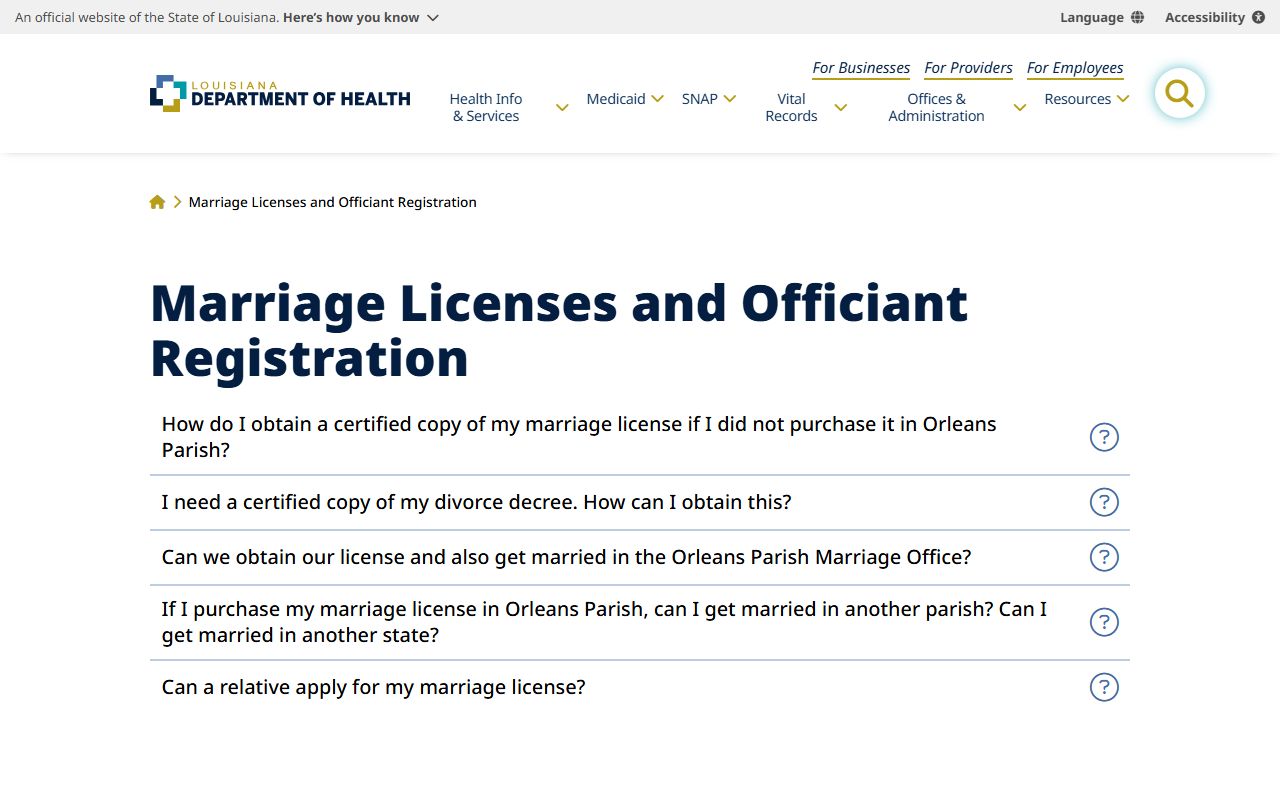
The LDH does issue a short divorce certificate for divorces that occurred in Louisiana. This certificate is not the same as the full divorce decree. It shows names, date, and parish only. The cost is $9 per certified copy. For the complete decree with all the terms of the settlement, you need the parish Clerk of Court.
There are 64 parishes in Louisiana and 76 Clerks of Court. Some parishes have more than one clerk or multiple court divisions. The Louisiana Clerks of Court Association connects you to any parish clerk's office in the state. Their site lists contact information and links for every parish.
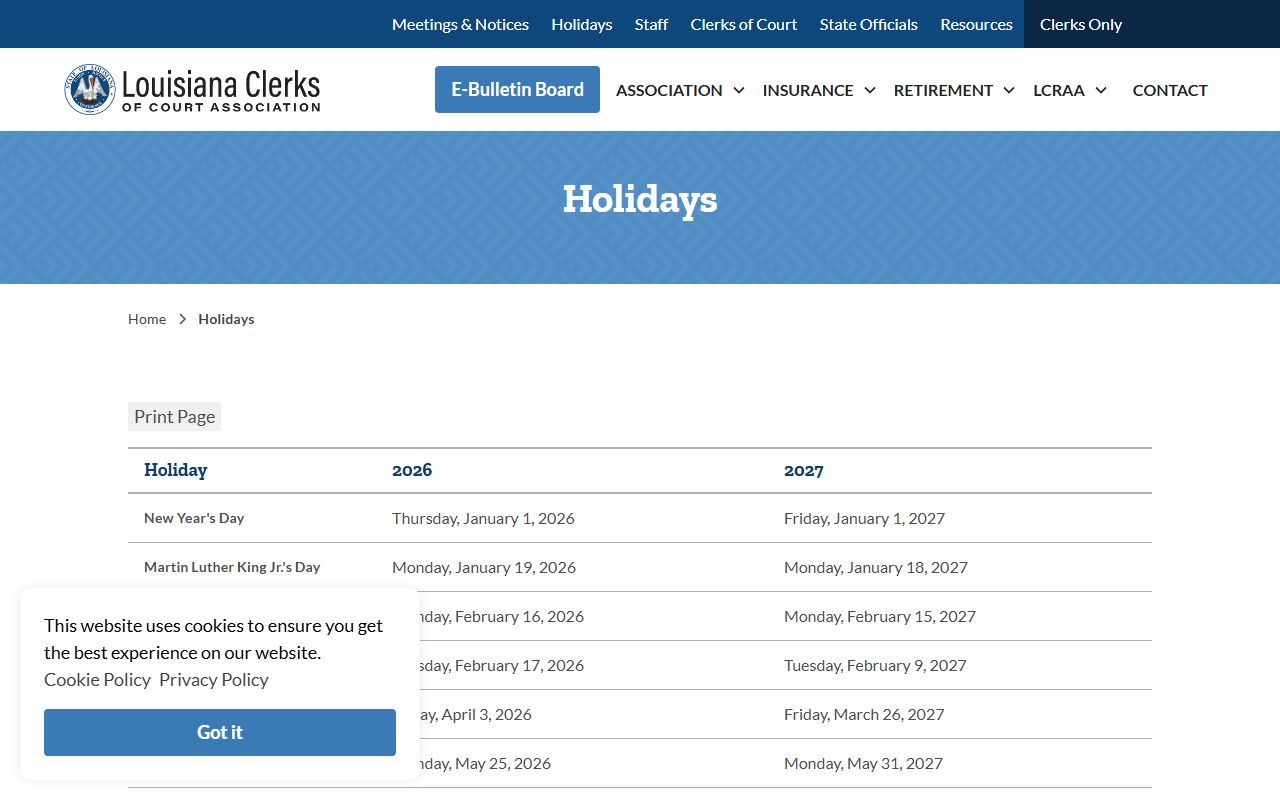
The Clerks of Court Association also maintains a holiday schedule that affects office hours. Plan your request around closures to avoid delays.
Search Louisiana Divorce Decree Records Online
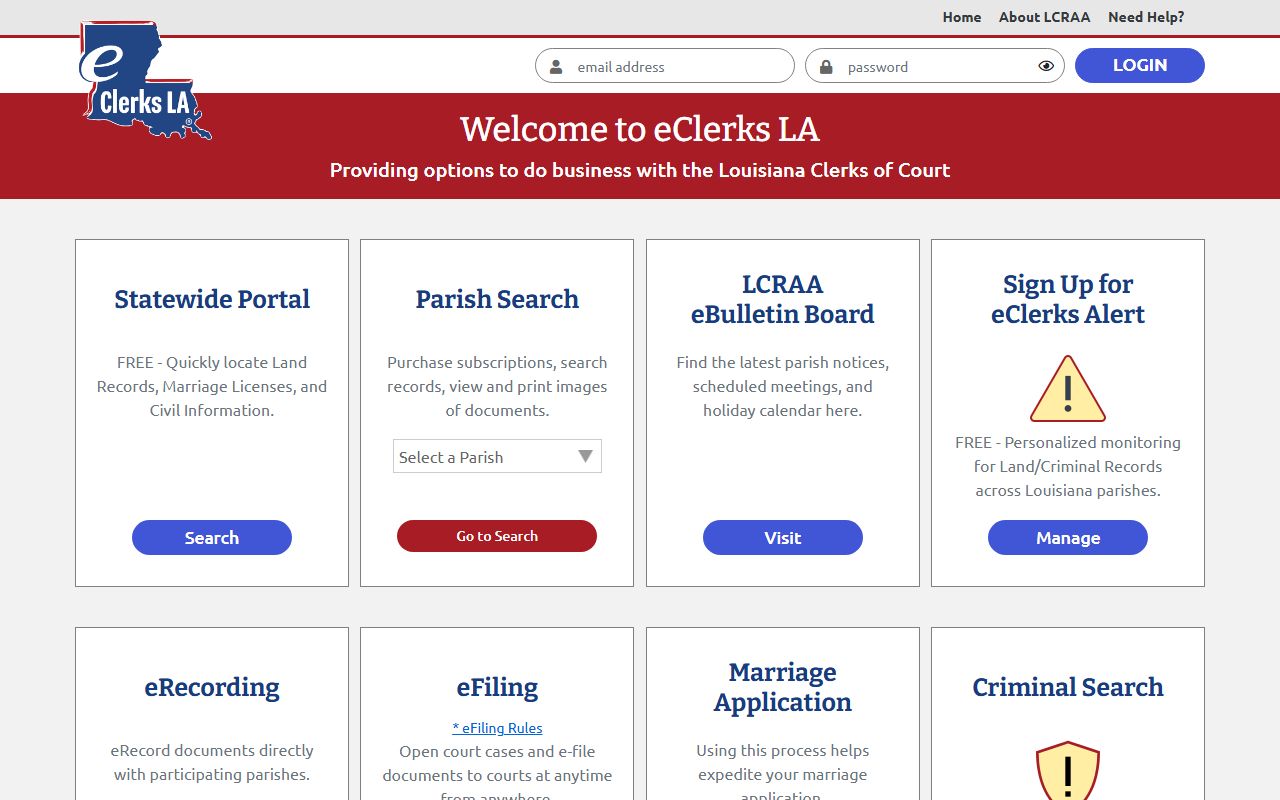
The fastest way to search for a Louisiana divorce decree is through the statewide eClerks LA portal. This free tool lets you search land, civil, marriage, and probate records across Louisiana parishes without leaving home. Civil records include divorce cases. You can find case numbers, party names, and filing dates at no cost. Downloading images of documents requires a paid subscription.
Visit eClerks LA to start a free index search. You can search by name or case number across multiple parishes at once. This is useful when you are not sure which parish handled the case. Once you find a match, you can subscribe to view and print the actual documents. Subscription rates vary from a single-day access fee to annual plans.
Many individual parish clerks also run their own online search portals with case-specific access for civil records including divorce filings.
Most parish online portals require a user account. Some charge by the day or month. Civil e-filing is now available in several parishes, which means newer cases may appear in online systems faster. If you do not find the case online, call the clerk directly. Older records are often not yet digitized. To get a certified copy of any divorce decree, you always have to request it from the clerk in person or by mail. Online copies are not certified.
To search for a Louisiana divorce decree, have ready:
- Full names of both spouses
- Approximate year the divorce was filed
- Parish where the divorce was granted
- Case number if you already have it
Louisiana Divorce Decree Laws and Requirements
Louisiana law sets the rules for granting a divorce. You need to know these rules to understand how a decree is issued and what it will say. Under Louisiana Civil Code Article 3941, at least one spouse must be domiciled in Louisiana to file here. You file in the parish where either spouse lives.
Louisiana has two main paths to a no-fault divorce decree. Under Louisiana Civil Code Article 102, a spouse can file first, then live separate and apart for 180 days. If minor children are involved, the waiting period is 365 days. Under Article 103, if the spouses have already lived apart for the required time before filing, the court can grant a divorce judgment right away without a waiting period.
Fault-based grounds under Article 103 also exist. These include adultery, a felony conviction with hard labor, physical or sexual abuse of a spouse or child, and cases involving a protective order against an abusive spouse. Fault divorces move faster but require proof.
Louisiana also recognizes Covenant Marriage. Couples who chose a Covenant Marriage face more limited grounds for divorce and are required to seek counseling before a court will grant them a decree. Standard marriages do not have this requirement.
The Louisiana judicial branch page explains how the court system works at each level, from the Supreme Court down to district courts.
Louisiana also uses community property rules. Under Article 2325, property earned during the marriage belongs equally to both spouses. The divorce decree divides community property and states each person's share.
Louisiana Divorce Decree vs. Divorce Certificate
These two documents are different. Knowing which one you need saves time. A divorce decree is the full court order signed by the judge. It includes all the terms: property division, custody, support, and any other orders. A divorce decree comes from the Clerk of Court in the parish where the case was heard.
A divorce certificate is a shorter record issued by the Louisiana Department of Health. It shows the names of the parties, the date, and the parish. It does not contain the full terms of the settlement. People use certificates to prove a divorce happened, such as when getting remarried or changing a name. Certificates cost $9 for the first certified copy. You can order from LDH Vital Records or visit a parish health unit.
Most legal matters need the full decree. Banks, courts, insurance companies, and government agencies often ask for the actual judgment, not just a certificate. If you are not sure which one you need, ask the office requesting the document.
A Louisiana divorce decree typically contains:
- Full legal names of both spouses
- Date of marriage and date of separation
- Grounds for the divorce
- Community property division terms
- Custody and visitation orders if children are involved
- Child and spousal support amounts
- Parish and court where it was granted
Fees for Louisiana Divorce Decree Copies
Fees vary by parish and by what you need. Most parish clerks charge $1 per page for plain copies. Certified copies cost more. Certification fees run from $5 to $10 per document depending on the parish. Some clerks also charge a search fee for older records. A 10-year name search costs about $15 to $20 in parishes that charge one.
If you need a short divorce certificate from the state vital records office, the cost is $9 for the first certified copy. Additional copies cost less. Mail requests take longer than in-person requests at a parish health unit.
Fee waivers are available for people with low income. You can file an In Forma Pauperis form with the court to ask for a waiver. The judge decides if you qualify. This applies to filing fees for new divorce cases, not to copy fees for existing records.
Note: Fees can change. Always call the clerk's office before you send a payment to confirm the current rates.
Public Access to Divorce Decree Records in Louisiana
Louisiana divorce decrees are public records. Under Louisiana Public Records Law (La. R.S. 44:1), any person can inspect and copy public records held by the courts. You do not need to be a party to the case. You do not need to give a reason for your request.
Some limits apply. Financial account numbers may be redacted from copies given to the public. Information about minor children may also be redacted. In rare cases, a party can ask a judge to seal a record. Sealed records require a court order to access. Most divorce records are not sealed.
The Louisiana State Archives, run by the Secretary of State, holds some older historical records. For divorce decrees from recent decades, the parish clerk is the right source.
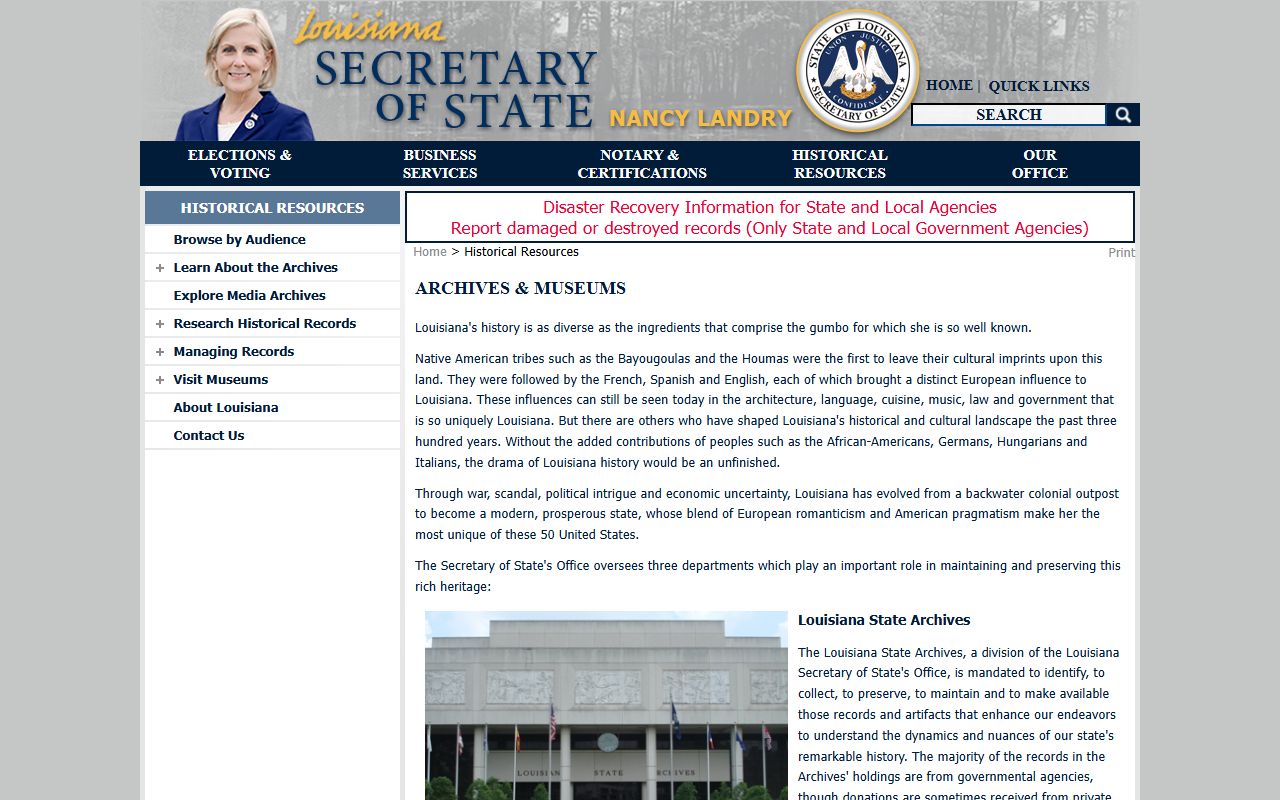
Historical divorce records from some parishes go back to the 1800s. West Carroll Parish, for example, has divorce records dating to 1833. Tensas Parish has records from 1843. Availability of older records online varies widely by parish.
Louisiana Court System and Divorce Decree Filings
Every divorce decree in Louisiana comes from a district court. Louisiana has 43 district courts organized into judicial districts. Each parish belongs to a district. Some districts cover only one parish; others serve several smaller parishes together.
Above the district courts sit five Courts of Appeal. These handle appeals of divorce decrees and other civil judgments. The Louisiana Supreme Court is the state's highest court and reviews cases from all five circuits. It is located at 400 Royal Street in New Orleans.
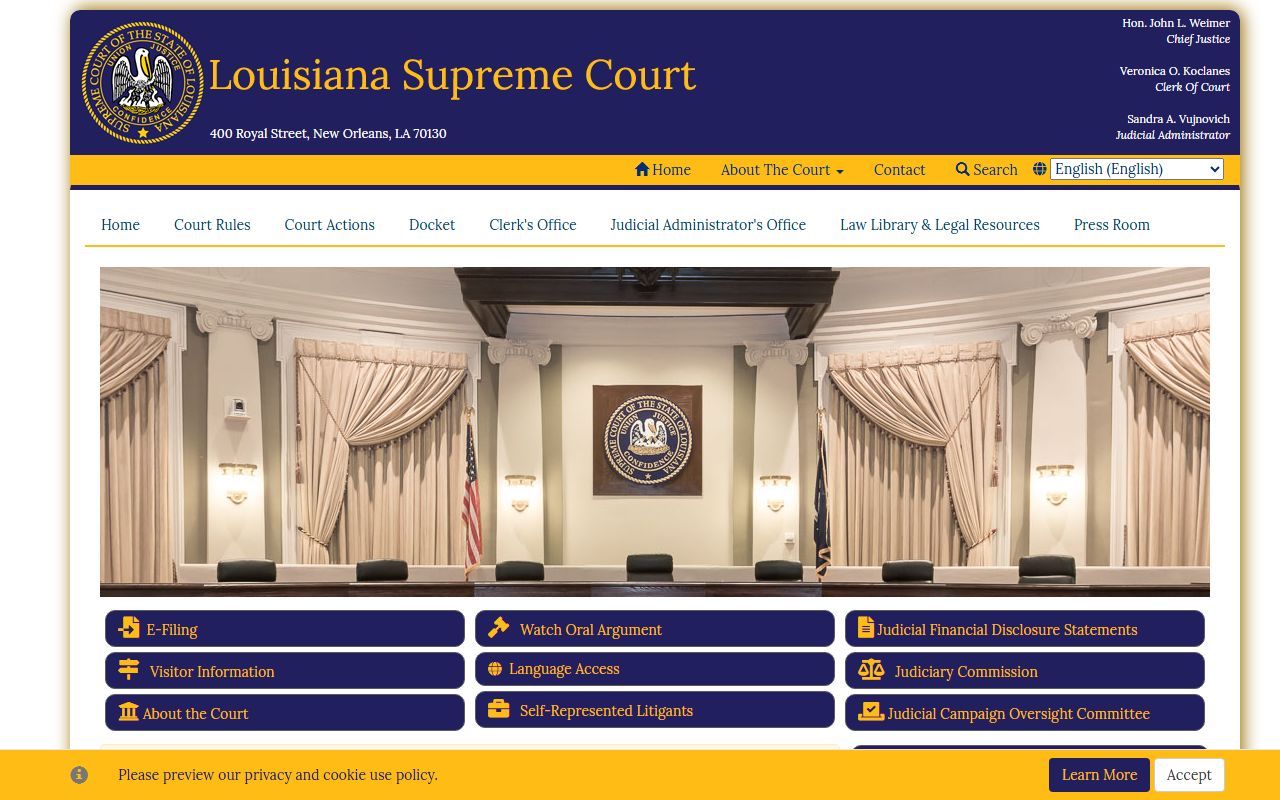
Most people getting copies of a divorce decree never deal with the appellate courts. If you just need a copy of your decree, the district court clerk in the right parish is the only office you need to contact.
The five circuits of the Louisiana Courts of Appeal cover different parts of the state. The First Circuit serves parishes in the Baton Rouge area. The Fourth Circuit covers Orleans Parish. The Fifth Circuit serves Jefferson Parish. The Second Circuit covers the Shreveport area. The Third Circuit serves the southwest Louisiana region, including Lake Charles and Lafayette areas.
Legal Help for Divorce in Louisiana
Several groups offer free or low-cost legal help with divorce cases in Louisiana. Southeast Louisiana Legal Services gives free legal help to people who meet income limits. They handle family law cases including divorce. Call 211 to find legal aid services near you anywhere in the state.
Acadiana Legal Service Corporation serves the western part of Louisiana, including the Lafayette and Lake Charles areas. They also provide free help to qualified clients in family law matters including divorce filings.
Louisiana Law Help at louisianalawhelp.org provides free self-help guides, forms, and legal information for people handling their own cases. The site walks you through the steps to file for divorce without a lawyer. It also has guides for getting copies of existing records.
The Louisiana State Bar Association runs a lawyer referral service for people who need a family law attorney. You can reach them through the state bar's website to get connected with a lawyer in your area who handles divorce cases and decree-related matters.
Browse Louisiana Divorce Decree Records by Parish
Each parish in Louisiana has its own Clerk of Court who keeps divorce decree records. Pick a parish below to find local contact info, fees, and resources for that area.
View All 64 Louisiana Parishes
Divorce Decree Records in Major Louisiana Cities
Residents of major Louisiana cities file for divorce at their parish District Court. Pick a city below to learn where to find divorce decree records in that area.